
Useful info
Effects of Smoking on Oral Health

The habit of smoking can cause numerous health problems, particularly in the oral cavity. Did you know that smoking does not only affect your lungs but can also cause significant damage to your oral health?
Consequences of Smoking:
- Gum Diseases: Smoking impairs blood circulation, depriving the gums of essential nutrients, which can lead to inflammation and bleeding.
- Tooth Decay: Smoking induces dry mouth, disrupting the balance of oral flora and leading to cavities.
- Cancer: Smoking significantly increases the risk of oral cancer, throat cancer, and other malignant tumours.
- Bad Breath: Smoking leaves unpleasant odors and contributes to bad breath.
Quitting smoking can lead to noticeable improvements in oral health. Take the first step for your well-being! Consider quitting smoking and take necessary measures to preserve your oral health.
How to Clean Your Teeth?

Basics of Proper Oral Care
Cleaning your teeth isn’t just about having a beautiful smile but also about maintaining a healthy oral cavity. Proper oral hygiene prevents cavities, gum diseases, and other oral problems. But how should clean your teeth effectively? Here are some essential tips for successful and gentle oral care:
1. Use the Right Toothbrush
- Choose a soft-bristled toothbrush to clean your teeth gently without damaging the enamel or gums. If you wear braces, consider a specialized toothbrush designed to clean hard-to-reach areas between teeth.
2. Don’t Forget the Toothpaste!
- Fluoride toothpaste strengthens enamel and prevents cavities. Everyday use is essential, since fluoride counteracts the effects of bacteria and protects teeth from acid damage.
Use a pea-sized amount for effective, yet non-abrasive cleaning.
3. Master the Proper Brushing Technique
- Proper brushing technique is as important as using the right tools. Use small, circular motions to clean your teeth, avoiding harsh horizontal sweeps that can harm the gums. Brush all surfaces, including the inner, outer, and chewing surfaces.
4. Don’t Skip the Tongue!
- The tongue also harbors bacteria that affect breath and oral hygiene. Use a tongue scraper or your toothbrush to clean your tongue, removing bacteria and ensuring fresh breath.
5. Floss and Use Mouthwash
- Flossing is essential for cleaning between teeth where the toothbrush can’t reach, removing plaque and food debris. Additionally, use mouthwash to refresh your breath and kill oral bacteria.
6. Visit the Dentist Regularly
- Alongside daily oral care, visit the dentist at least once a year for a comprehensive check-up. Dentists and dental hygienists can remove plaque and detect problems like early-stage tooth decay.
7. When Should You Brush?
- Brush your teeth morning and evening to remove daily plaque and bacteria. It is important to wait at least 30 minutes after eating, especially after consuming acidic foods like citrus or sodas. They temporarliy soften the enamel, so it is a good idea to rest the teeth before brushing them.
8. Moderation is Key
- While oral hygiene is essential, it is crucial not to overdo brushing or frequent use of whitening products, as these can damage the enamel and irritate gums. Gentle, twice-daily brushing is sufficient to maintain oral health.
Regular and comprehensive oral care are vital in retaining healthy teeth anf gums. Following these tips and caring about your oral hygiene every day will ensure strong and healthy teeth for years. Prevention is always better than treatment, so don’t postpone brushing or regular dental check-ups!
What is Tartar?
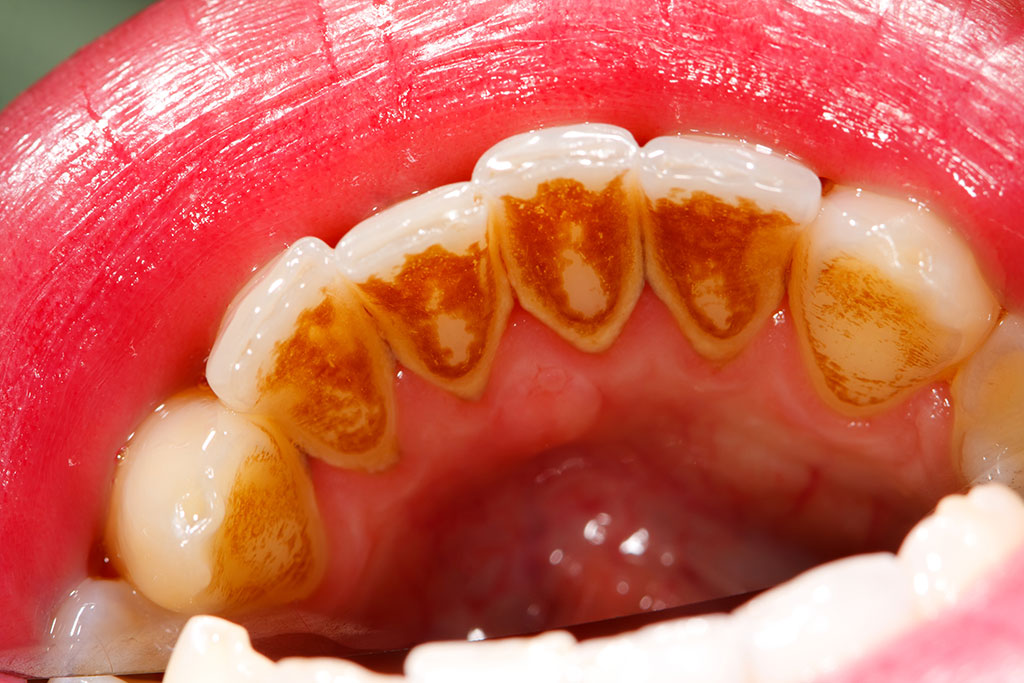
Tartar is hardened plaque that forms in the mouth when minerals in plaque solidify due to saliva. Although tartar may initially seem harmless, it can cause serious oral health problems over time if left untreated.
How Does Tartar Form?
Every day, bacteria and leftover food particles mix to form plaque on the teeth. If not removed through regular brushing, this plaque combines with minerals from saliva and chemically hardens, becoming tartar.
Why is Tartar Harmful?
- Gum Diseases: Tartar irritates the gums, leading to inflammation and bleeding. Persistent inflammation may develop into periodontitis, a severe gum disease.
- Tooth Decay: Tartar provides a breeding ground for bacteria, which produce acids that damage enamel and cause cavities.
- Bad Breath: Tartar harbors bacteria that cause unpleasant breath and harm oral health.
- Aesthetic Issues: Tartar leaves yellow or brown stains on teeth that regular brushing cannot remove. This leads to cosmetic concerns, especially in visible areas, like the front of teeth.
How to Prevent Tartar Build-Up:
The best way to prevent tartar is consistent and thorough oral care. Follow these tips to reduce the risk:
- Brush Regularly: Brush your teeth at least twice a day, especially at night, to remove plaque – the forerunner for tartar.
- Use Dental Floss: Flossing removes plaque and food debris between teeth where a toothbrush cannot reach.
- Rinse with Mouthwash: Mouthwash helps eliminate bacteria and reduces plaque formation.
- Limit Sugary and Acidic Foods: Foods like sweets and sodas contribute to plaque build-up. Eat in moderation and drink water to help maintain cleanliness.
- Regular Dental Visits: Tartar cannot be removed at home. Even with careful oral care, get at least one annual check-up. The dentist or dental hygienist removes plaque and tartar that regular brushing at home cannot.
How is Tartar Removed?
Tartar removal is a painless procedure performed in a dental office. Dental hygienists use ultrasonic tools and hand instruments to remove hardened plaque. After treatment, your teeth will feel cleaner, and you’ll be free of tartar-related problems.
Tartar isn’t just a cosmetic issue but can cause severe oral diseases if untreated. Regular brushing, flossing, and oral hygiene habits help prevent tartar build-up. If it develops, a dentist can remove it to preserve your oral health. Don’t let tartar harm your smile—visit your dentist regularly to maintain a healthy and radiant set of teeth!
Post-Implantation Information and Advice

Post-Implantation Guidelines and Tips – How to Support Successful Healing?
Dental implants offer a modern and durable solution to tooth loss. The implantation procedure restores function, chewing ability, and aesthetics. However, for successful results, proper care during the healing process is essential. If you’ve recently undergone dental implant surgery, the following information and tips can help you heal quickly and without complications.
- Follow Medical Instructions!
The most important step is to adhere to your dentist’s or oral surgeon’s instructions. They will provide specific guidance on post-operative care to ensure smooth healing. Following these instructions contributes to successful recovery and minimizes the risk of complications. - Rest and Take it Easy!
It is crucial that you rest and avoid exhastive physical activities for at least 24 hours after the procedure. Resting helps your body recover more quickly and reduces swelling and discomfort. - Cold Compresses to Reduce Swelling!
Mild swelling around the surgical area is natural after dental implant surgery. Applying a cold compress during the first 24 hours can help minimize swelling. Be sure to wrap the ice in a thin towel or cloth to avoid direct contact with the skin. - Oral Hygiene and Care!
Maintaining proper oral hygiene is one of the most important aspects of post-operative care. Keeping the implant site clean is vital to preventing infection. For the first 48 hours, avoid vigorous rinsing and refrain from using mouthwashes containing alcohol. You may use an antibacterial mouth rinse recommended by your dentist to help prevent infection. - Pain Management and Medication!
Mild pain and discomfort may occur after the procedure. Your dentist may prescribe painkillers and possibly antibiotics to aid recovery. Take your medications as instructed and never skip doses to ensure proper healing. - Avoid Touching the Implant!
Do not manipulate or touch the implant site with your fingers. Avoid applying excessive mechanical stress to the area until the implant fully integrates with the bone, which typically takes 3–6 months, depending on the implant type and healing progress. - Dietary Recommendations During Healing:
For the first few days, consume soft, easily digestible foods that won’t irritate the area around the implant. Avoid hard, extremely hot or cold foods, as well as spicy or acidic dishes. Drink fluids through a straw to minimize direct contact with the surgical site. - Avoid Smoking!
Smoking negatively affects the integration of implants into the bone and increases the risk of complications, such as infection. It’s best to refrain from smoking during the healing period. - Regular Check-Ups!
Post-implantation, regular check-ups are necessary to ensure the implant is healing properly and functioning as expected. These visits allow your dentist to detect and address potential issues early. - Healing Timeline:
While implant placement is a quick procedure, the integration of the implant with the bone takes longer. This process typically lasts 3–6 months. Don’t worry if you don’t immediately experience the final results – healing is gradual and ultimately provides a stable, long-lasting solution.
Dental implants offer a durable and aesthetic solution to tooth loss, but the healing period requires careful attention. By following your dentist’s instructions and adhering to these tips, you can enjoy the benefits of your new implant without complications. Remember, patience and proper aftercare are key to success. If you have any questions or concerns, always consult your dentist.
Why Does My Gum Bleed?

Why Does My Gum Bleed? – A Warning Sign About Oral Hygiene
Gum bleeding is a common issue, yet many people tend to ignore it. Bleeding gums, especially during brushing or chewing, can be a serious warning sign that something is wrong in your oral cavity. What causes this, and how can you address it? Here are the most common reasons:
- Gingivitis
The most frequent cause is poor oral hygiene, which can lead to inflammation of the gums. Accumulated plaque and bacteria irritate the gums, causing redness, swelling, and bleeding. If untreated, this can progress to more severe gum disease. - Periodontal Disease
If gingivitis isn’t treated, it can affect the tissues beneath the gums, leading to severe periodontal disease, which not only causes bleeding but may also result in loose teeth. It’s important to address gum bleeding quickly and visit your dentist for treatment. - Improper Brushing Technique
Aggressive brushing or using the wrong toothbrush can lead to gum bleeding. Hard-bristled toothbrushes or rough brushing motions can damage the gums. Opt for a soft-bristled toothbrush and use gentle movements. - Hormonal Changes
Hormonal fluctuations during pregnancy, menstruation, oral contraceptive use, or menopause can make gums more sensitive and prone to bleeding. In these cases, pay extra attention to oral hygiene. - Poor Diet and Vitamin Deficiency
Vitamins, especially C and K, are crucial for maintaining healthy gums. A vitamin-deficient diet weakens gum resistance, making them more prone to bleeding. - Other Medical Conditions
Though less common, certain medical conditions, such as diabetes, clotting disorders, or heart disease, can contribute to gum bleeding. Persistent gum bleeding may require medical evaluation.
How to Prevent Gum Bleeding:
- Maintain Good Oral Hygiene: Brush at least twice daily with fluoride toothpaste and use floss to remove plaque between teeth.
- Regular Dental Check-Ups: Visit your dentist annually for check-ups and cleanings to prevent more severe issues.
- Eat a Balanced Diet: Include vitamin-rich foods like fruits and vegetables, and limit sugar intake to reduce bacterial growth.
- Gentle Brushing: Use a soft-bristled toothbrush and avoid harsh brushing motions to prevent gum damage.
Don’t ignore gum bleeding! If it persists, consult your dentist to prevent more serious oral health problems. Healthy gums and teeth not only enhance your smile but also improve overall well-being.
Why Are My Teeth Sensitive?

Why Are My Teeth Sensitive? – Causes and Solutions
Tooth sensitivity is a familiar issue for many people. It occurs when teeth overreact to stimuli such as cold, heat, sweet, or acidic foods and drinks, causing pain or discomfort. What are the underlying causes, and how can you relieve sensitivity?
- Worn Tooth Enamel
Enamel, the protective layer of the teeth, can thin out or erode, exposing the dentin underneath. This can result from acidic foods, poor oral hygiene, or improper brushing techniques. - Gingivitis and Gum Recession
Inflamed or receding gums expose tooth roots, lacking enamel protection. This allows foreign material to reach the dentin, causing discomfort. - Tooth Decay
Cavities weaken the tooth’s structure, allowing bacteria and temperature changes to reach the dentin and cause sensitivity. - Post-Dental Procedures
Teeth may temporarily become sensitive after extractions, root canals, or fillings. This type of sensitivity usually resolves within a few weeks. - Bruxism (Teeth Grinding)
Chronic grinding or clenching can wear down enamel and even crack teeth, leading to sensitivity. - Poor Nutrition
Excessive sugar intake and acidic foods or beverages can erode enamel, while calcium and fluoride deficiencies weaken teeth.
How to Relieve Tooth Sensitivity:
- Use Sensitive Toothpaste: Specially formulated toothpastes can reduce sensitivity by creating a protective layer over the dentin.
- Switch to a Soft-Bristled Toothbrush: Harsh brushing or hard-bristled brushes can damage enamel. Gentle brushing helps protect teeth.
- Avoid Acidic Foods: Minimize intake of citrus fruits, sodas, and other acidic foods. Rinse your mouth with water after consuming them.
- Dental Check-Ups: If sensitivity persists, consult your dentist. They may recommend fluoride treatments or specialized fillings.
- Prevent Bruxism: If you grind your teeth, talk to your dentist about a night guard to protect them from further wear.
Tooth sensitivity has various causes, but many solutions are available to alleviate discomfort. Proper oral care, appropriate toothpaste, and regular dental visits can prevent and manage sensitivity. Don’t ignore the issue, as it could lead to more serious problems. Consult your dentist for professional advice and treatment!
When Should Wisdom Teeth Be Removed?

When to Remove Wisdom Teeth – Key Information
Wisdom teeth (also known as third molars) can cause problems for many people, leading to the question of when they should be removed. While some experience a ssmooth emergence of wisdom teeth, others may face painful issues requiring surgical intervention. Let’s explore the situations where wisdom tooth removal might be necessary!
- Pain and Inflammation
If the eruption of a wisdom tooth causes pain, gum inflammation, or infection, it’s essential to consult a dentist. Frequent inflammation and pain could indicate the need for removal to avoid more severe complications. - Improper Alignment
Wisdom teeth often lack sufficient space in the jaw and can cause crowding. If a tooth grows horizontally, at an angle, or only emerges partially, it may press against neighboring teeth, leading to orthodontic issues or tooth decay. In such cases, removal may be advisable. - Tooth Decay or Gum Disease
Due to their position at the back of the mouth, wisdom teeth are challenging to clean properly, making them more prone to cavities and gum diseases. If untreated, these infections can spread to adjacent teeth. - Cysts or Tumors
In some cases, cysts or tumors may form around wisdom teeth. These abnormalities can damage surrounding bone and gums, making extraction necessary to prevent further complications. - Severe Crowding
Wisdom teeth can cause overcrowding, resulting in misaligned teeth and jaw issues. If someone wears braces, wisdom teeth may obstruct proper alignment, and their removal is often recommended. - Preventive Measures
Even if wisdom teeth don’t cause symptoms, dentists sometimes suggest removing problematic ones early in life as a preventive measure. Removal at a younger age is often less complicated, and recovery tends to be faster since the teeth may not be fully developed yet.
How Are Wisdom Teeth Removed?
Wisdom tooth removal is typically performed under local anesthesia, ensuring the area around the tooth is free from pain while the patient remains awake. In complex cases, such as impacted teeth, general anesthesia may be required. Recovery generally takes a few days, and proper post-operative care and rest can facilitate quick healing.
When to See a Dentist?
If you experience any issues with your wisdom teeth – such as pain, swelling, infection, or improper growth – it’s important to consult a dentist early on. Proper diagnosis can help prevent serious complications.
Summary:
Wisdom tooth removal isn’t always necessary, but extraction can be crucial for maintaining oral health if they cause problems. If you notice any symptoms, don’t hesitate to seek medical advice to avoid future complications!
My Teeth Are Loose!

Loose teeth can be an alarming phenomenon, and understanding the causes and solutions is crucial. The loosening of teeth is usually linked to the following issues:
- Gum Disease:
Gingivitis and periodontitis are the most common causes. These conditions start with gum infections and, if untreated, can lead to tooth mobility due to inflammation of the supporting structures. - Improper Alignment:
Misaligned teeth and an uneven bite can lead to excessive pressure on certain teeth, causing them to loosen. Orthodontic treatments can help restore proper alignment. - Tooth Decay:
Decayed teeth more likely to be weakened and become loose. Pain and sensitivity associated with tooth decay signal the need for immediate dental attention. - Trauma:
Injuries or accidents can loosen teeth. In such cases, immediate medical intervention is required.
Oral Hygiene Tips:
Brush twice daily, use dental floss, and schedule regular dental check-ups to maintain healthy teeth. If your teeth feel loose, seek a dentist’s advice to determine the underlying cause and begin appropriate treatment.
Why Does My Jaw Click?

Many people experience jaw clicking, which can be uncomfortable and worrisome. What could be causing it?
Possible Causes of Jaw Clicking:
- TMJ (Temporomandibular Joint) Disorder:
Disorders of the jaw joint are the most common cause of clicking. Muscle tension or improper jaw alignment are contributing factors. - Teeth Grinding and Clenching:
Stress can lead to unconscious jaw clenching, eventually causing problems. - Arthritis:
Inflammation of the jaw joint may result in pain and clicking, requiring medical attention. - Dental Issues:
Wrongly aligned teeth or poorly fitting dentures can also cause jaw clicking.
What Can You Do?
- Consult a Specialist:
If jaw clicking is irritating, see a dentist or specialist. They can help identify the cause and recommend treatment. - Manage Stress:
Practice relaxation techniques like meditation or breathing exercises to reduce tension. - Perform Jaw Relaxation Exercises:
If you grind or clench your teeth, try exercises to relax the jaw and mouth muscles.
I’m Grinding My Teeth

Teeth Grinding (Bruxism): Causes and Consequences
Teeth grinding often occurs unconsciously during sleep or in stressful situations. It can affect both oral health and overall well-being.
Causes of Teeth Grinding:
- Stress and Anxiety:
Everyday stress and tension are common triggers. - Sleep Disorders:
Conditions like sleep apnea can contribute to bruxism. - Improper Bite:
Misaligned teeth or poorly fitting restorations can irritate the jaw joint. - Genetics:
Bruxism may run in families, suggesting a hereditary link.
Consequences of Teeth Grinding:
- Tooth Damage:
Grinding causes wear, cracks, and sensitivity in teeth. - Pain and Discomfort:
Jaw and facial muscle tension can lead to pain affecting daily activities. - Oral Health Problems:
Grinding increases the risk of gum disease and other issues.
What Can You Do?
- Seek Professional Help:
Consult a dentist for a diagnosis and treatment options, such as a custom night guard. - Stress Management:
Practice techniques like yoga or meditation to reduce stress levels. - Night Guard:
A customized night guard can protect your teeth from grinding during sleep.
Thumb-Sucking

Thumb-sucking is a natural behavior that provides comfort and security to young children. It is often part of an infant’s reflexes, helping them calm down, especially before sleep or in stressful situations.
While thumb-sucking is normal and often temporary, it’s important to monitor the habit to ensure it doesn’t persist for too long. Extended thumb-sucking can impact tooth development and gum health. If the habit is ceased too late, it may result in psychological issues as well. Supportive and attentive parenting can help children transition to other forms of self-soothing. If the habit persists or raises concerns, consult a professional.
Pacifier Use – What to Know

Pacifiers are a common tool for calming infants. While they help soothe babies and assist with sleep, it’s crucial to understand the long-term effects to avoid developmental issues.
Advantages of Pacifiers:
- Soothing Effect:
Pacifiers help calm babies, particularly when they are thirsty, tired, or anxious. - Sleep Aid:
Many babies fall asleep easily with a pacifier, improving sleep quality.
Potential Downsides of Pacifiers:
- Dental Problems:
Prolonged use, especially beyond 2–3 years, can affect tooth and jaw development, causing misalignment.
- Delayed Speech Development:
Frequent use can hinder oral and facial muscle development, impacting speech. - Dependency:
Overuse may make it difficult for a child to stop using the pacifier, creating long-term challenges.
Tips for Pacifier Use:
- Use in Moderation:
Limit pacifier use to avoid long-term effects, ideally phasing it out when the child turns six months old. - Choose the Right Pacifier:
Select a size and material suitable for your baby’s age to avoid oral issues. - Avoid Overuse:
Don’t rely on a pacifier for every instance of crying; encourage other forms of comfort, such as cuddling.
Pacifiers can be helpful, but balance is essential. Monitor your child’s development and aim to transition away from pacifiers gradually. Regular dental check-ups are also critical to ensuring oral health!
[/expander_maker ]
