
Services

Fixed dental prostheses, including crowns and bridges, provide durable solutions to restore both the function and aesthetics of teeth. These prostheses are not removable, instead they are securely attached to existing teeth or implants, ensuring long-term comfort and stability.
A crown is a cap that completely covers a damaged or weakened tooth, restoring its original shape, size, and strength.
A bridge is a dental prosthesis designed to replace one or more missing teeth. It is fixed to adjacent teeth, which are fitted with crowns to support the bridge.
Fixed prosthetics are used when:
Materials Used for Fixed Prostheses
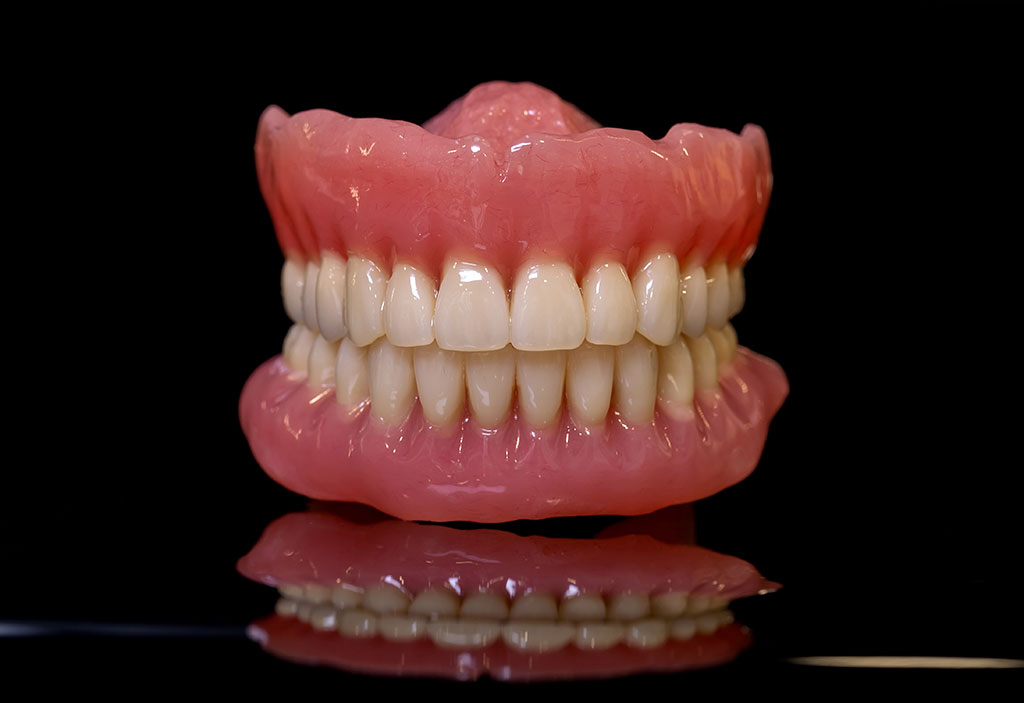
Removable dentures restore the function and aesthetics of missing teeth, in case of both partial or complete tooth loss. These dentures are easy to remove and clean, providing comfortable daily use.
Partial dentures are used when some teeth of the patient are missing but the remaining ones are sufficient to hold the prosthetic stable. They restore missing teeth, improve chewing function, and prevent the remaining teeth from being displaced.
Full dentures are designed for patients who have lost all their teeth in a given arch. These dentures completely replace the missing teeth, restore the patient’s smile, and support chewing and speech functions.
Advantages

All-on-4 and All-on-6 dentures provide innovative, effective solutions for patients who have lost all their teeth or have very few remaining teeth, restoring smiles, confidence, and quality of life. These systems use implant-supported dentures that are stable, durable, and aesthetically pleasing.
When is it used?
All-on-4 or All-on-6 dentures are ideal for patients with complete tooth loss in an arch (upper or lower) who are looking for a fixed, long-term solution. They are especially suited for patients with limited bone density, as these systems ensure stability with fewer implants.
Attachment Process
The dentures are secured to implants using small screws.
After implant placement, a temporary denture is provided during the healing period, which allows the gums and bone to heal. After healing, usually taking a few months, the final denture is manufactured and installed.
The implants integrate with the bone (osseointegration), providing a solid foundation for the dentures. The prostheses are attached with special screws or retention elements, ensuring a stable, secure fit with a natural appearance and feel.
Advantages

Temporary crowns or bridges are often needed during the preprostatic phase while necessary treatments are made, so that the permanent replacements are fitted on healthy gum and teeth. These temporary solutions protect prepared teeth while awaiting final restorations.
Temporary replacements are made of PMMA (polymethyl methacrylate), an interim solution for used during long-term restoration procedures until the permanent replacements are fitted. They provide aesthetic, functional, and protective benefits during longer treatment processes.
Purposes of Temporary Prostheses
When is PMMA used?
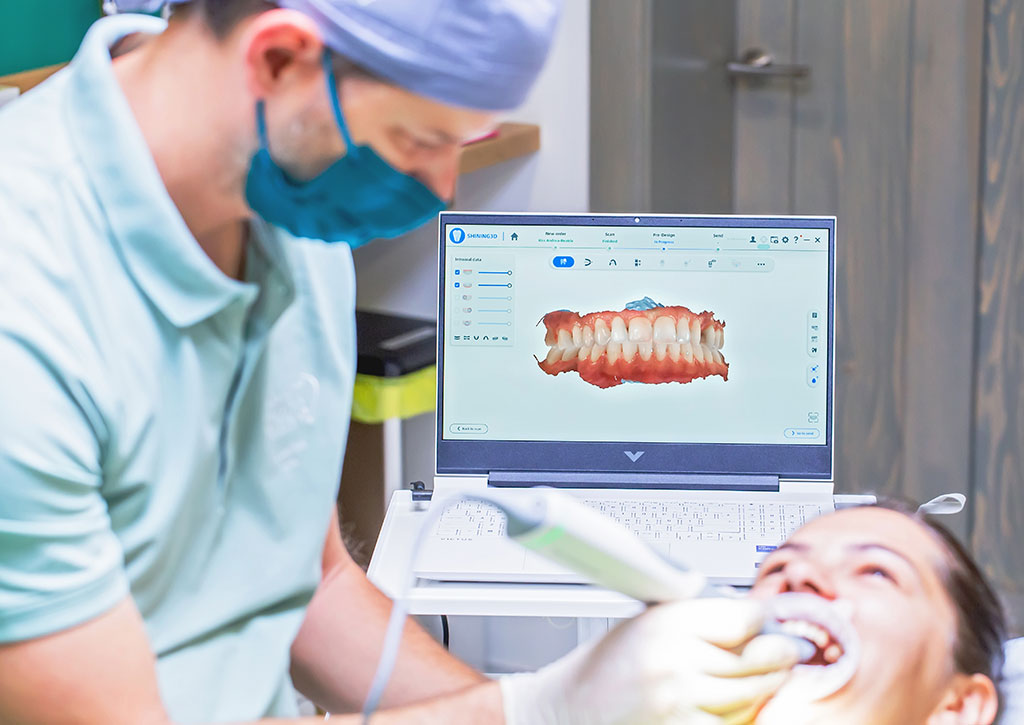
Digital impression taking is a modern dental procedure that uses an intraoral scanner to create a three-dimensional (3D) digital model of the patient’s teeth and oral cavity, replacing traditional impression materials. This technology is a major progress in dentistry, since it is faster and more comfortable than traditional techniques.
The intraoral scanner is a special, handheld device that procedures high-resolution images of the patients’ teeth, gums and other parts of the oral cavity. The images are immediately processed by the scanner’s software, generating a three-dimensional (3D) digital model on the screen of a computer. We then use this digital data for planning dental replacements, orthodontal devices or other dental treatments.
Advantages of Intraoral Scanners

Jaw relation registration, also known as bite adjustment, is an important diagnostic and therapeutic procedure in dentistry. It involves recording the relative positions of the upper and lower jaws and their occlusion (contact between teeth). This process is vital for designing crowns, bridges, dentures, and other prostheses.
Importance
Facebow
The facebow is a special tool used to determine the position of the upper jaw in relation to the skull. The data is then used by the dental technician for the adjustment of the articulator, so that it models the bite and unique anatomical and functional paremters of the patient accurately.
Articulator
The articulator is a mechanical device used for simulating the movements of the temporomandibular joint and jaw bones, and the contact between the teeth, both in static and dynamic states. With the help of the articulator, the dental technician can precisely adjust the replacements (crowns, bridges, protheses) so that they fit the patient’s needs perfectly.
The articulator simulates the patient’s jaw movements, allowing for the manufacturing of replacements in a way that they correspond to real use. This is particularly important in terms chewing and speaking functioning and aesthetic harmony.
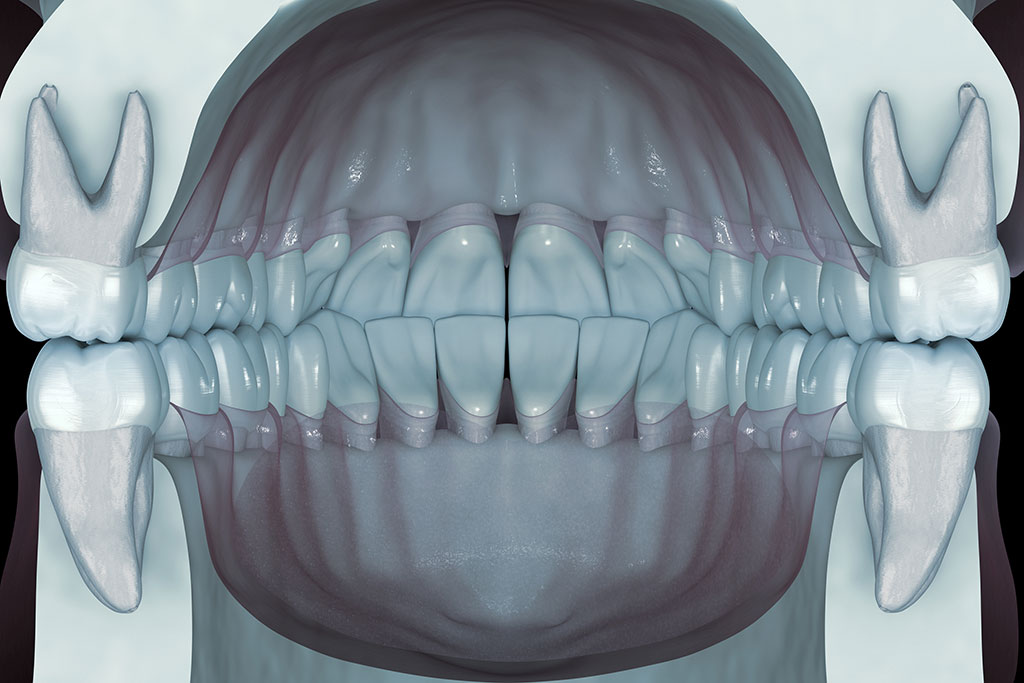
Selective grinding is a precise dental procedure to fine-tune the biting surfaces of teeth. This procedure is applied to cases where the patient’s bite is not aligned correctly, causing discomfort or pain. This technique helps optimal contact between teeth, improving the load distribution.
The use of Selective Grinding
When is selective grinding necessary?
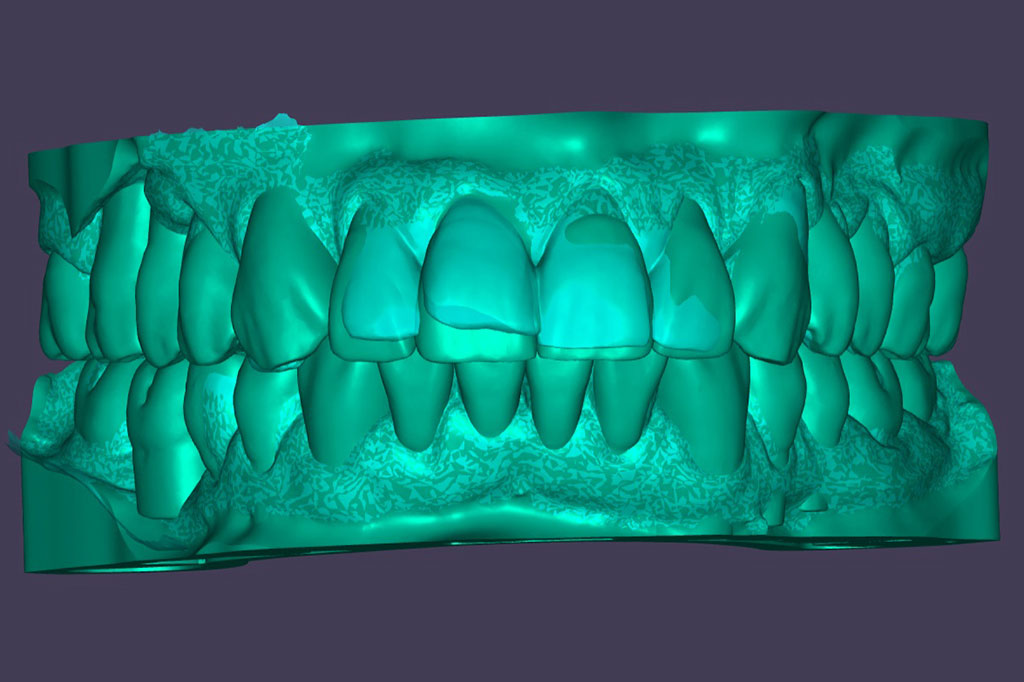
Wax-ups and mock-ups are techniques used in the planning procedure. They are generally used before aesthetic or functional restorations, so that both the dentist and the patient understand how the final result will look like. Both methods play an important role in the preparation of dental treatments.
Wax-ups are models made digitally or from wax during the planning phase of a treatment, simulating the final restoration or dental correction.
Mock-ups are models made on the basis of wax-ups that can be tested in the patient’s mouth, directly showing the possible outcome of the treatment.
Importance of the techniques

In the treatment of jaw joint (temporomandibular joint (TMJ)) dysfunctions, various types of therapeutic splints, such as Michigan splints, relaxation splints, or others are used. These appliances alleviate joint pain, reduce muscle tension, help occlusal balance and restore normal jaw function.
Causes of TMJ Dysfunction
Michigan Splints
Stabilizing Splints

Smiles are reborn with us
© Copyright DR BOTA DENTAL PRAXIS – 2026.